
Psoriasis

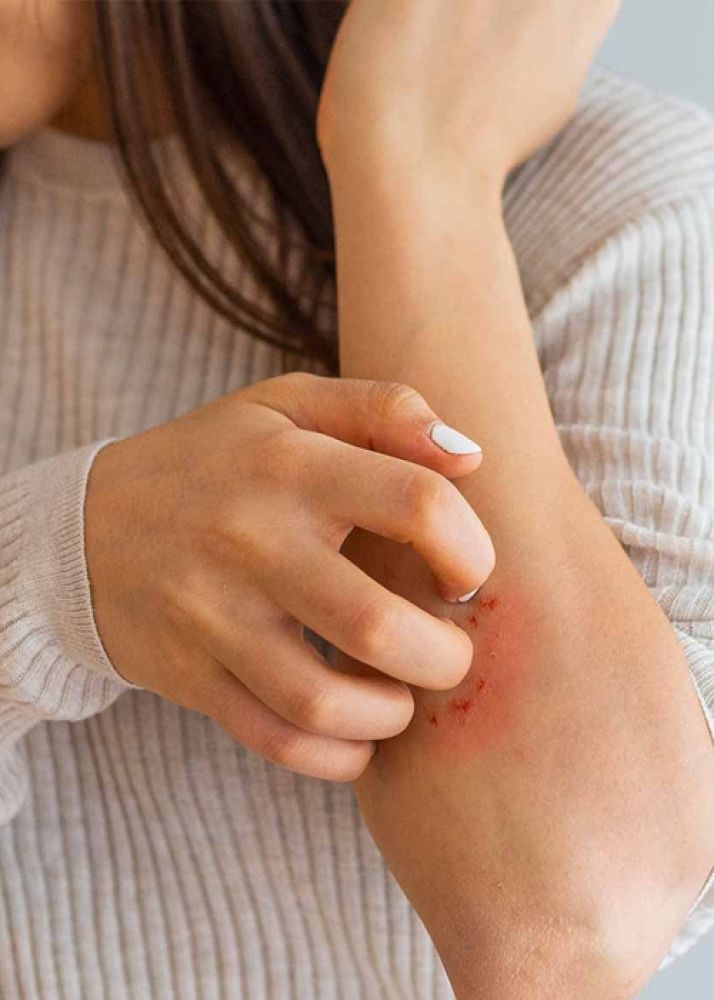
Psoriasis is a chronic skin disease characterized by redness, scaling, and flaking on the skin.

Psoriasis: Symptoms, Causes, and Treatment Methods

Psoriasis is a chronic skin disease characterized by redness, scaling, and flaking on the skin. Caused by an overactive immune response, this condition leads to an accelerated growth of skin cells. Psoriasis is a non-contagious condition that can impact quality of life and create psychological challenges, especially in social settings.

What Are the Symptoms of Psoriasis?

Psoriasis symptoms can vary from person to person. The most common symptoms include:

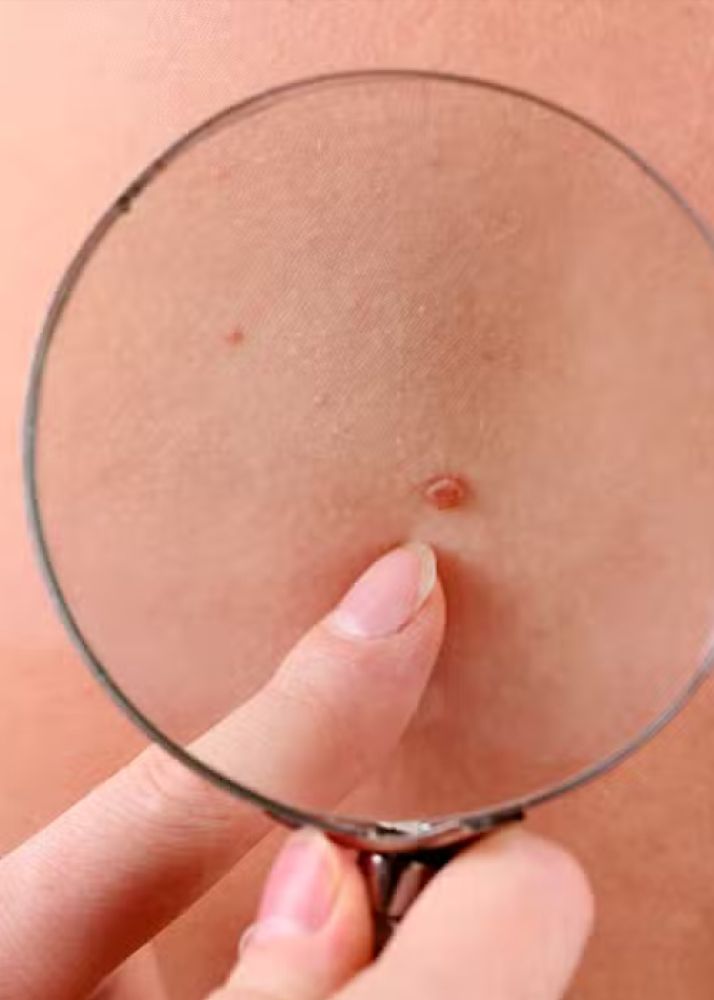
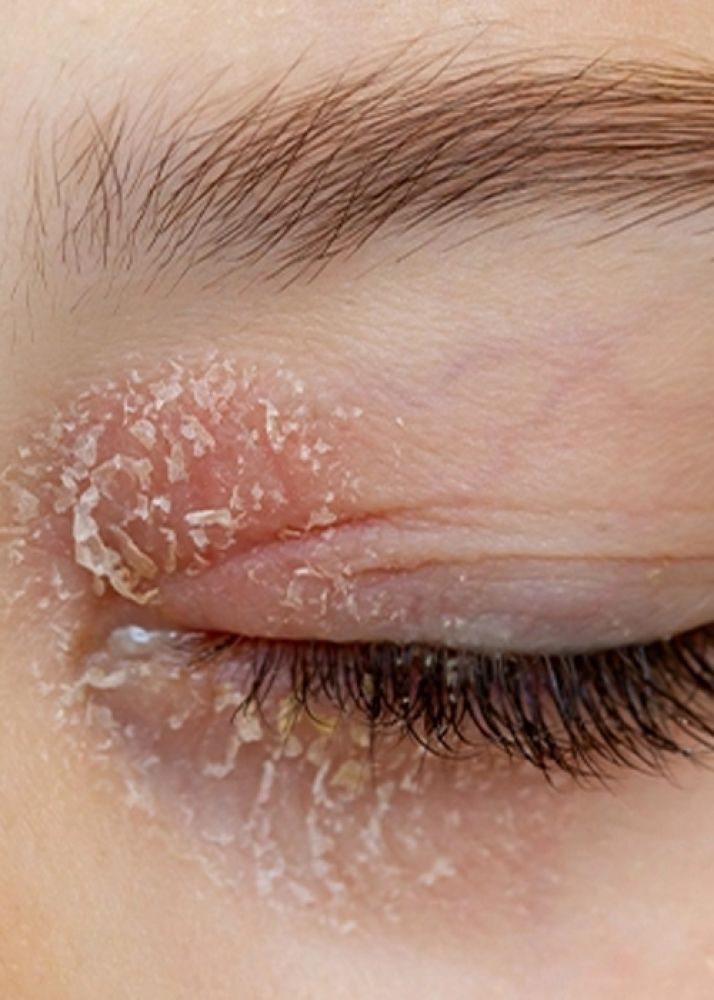
  • Red, Scaly Lesions: The most prominent symptom is red patches on the skin with white or silver scaling.
  • Thickened and Hardened Skin: The affected areas typically have a thickened and hardened texture.
  • Itching and Pain: Lesions may cause itching and, in some cases, pain.
  • Dry and Cracked Skin: Psoriasis can lead to dryness and cracking of the skin.

Psoriasis can appear anywhere on the body, but it is most commonly found on the scalp, elbows, knees, and back. The severity of symptoms can range from mild to severe and may worsen periodically.

Causes of Psoriasis

While the exact cause of psoriasis is unknown, it is thought to be related to genetic and immune system abnormalities. Factors that may contribute to psoriasis include:

  • Genetic Predisposition: Individuals with a family history of psoriasis are at a higher risk.
  • Immune System Abnormalities: The immune system attacks normal cells, causing rapid skin cell production.
  • Stress: Stress is a trigger that can worsen psoriasis symptoms.
  • Infections: Certain infections, particularly throat infections, can trigger some types of psoriasis.
  • Medications: Certain medications (such as some blood pressure drugs and antimalarial drugs) may trigger psoriasis.
  • Skin Injuries: Skin injuries like cuts, burns, or sunburn can trigger or worsen psoriasis.

Types of Psoriasis

Psoriasis can manifest in different types. The most common types include:

  • Plaque Psoriasis: The most common form of psoriasis, characterized by red plaques with scaling.
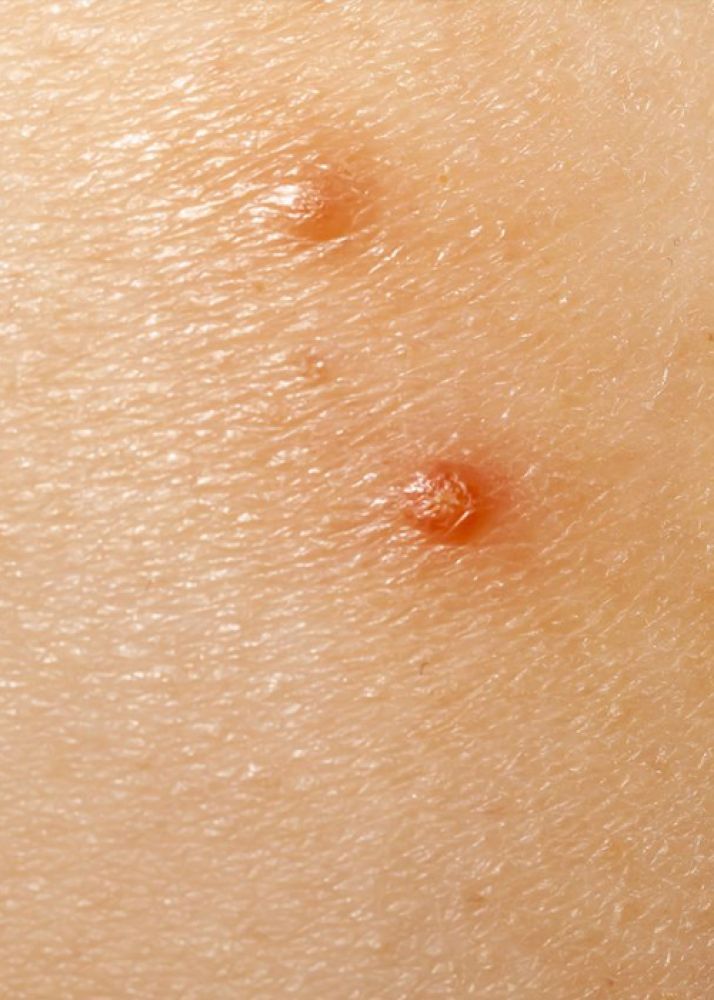
  • Guttate Psoriasis: Usually appearing in childhood or adolescence, this type presents as small, drop-shaped red lesions.
  • Pustular Psoriasis: A rare form of psoriasis characterized by white pustules (pus-filled blisters) on the skin.
  • Inverse Psoriasis: Found in body folds (e.g., underarms, groin), and can become itchy due to friction and sweating.
  • Erythrodermic Psoriasis: One of the most severe types of psoriasis, covering large portions of the skin with redness and scaling.

Psoriasis Treatment Methods

Psoriasis treatment depends on the type, severity, and impact on the patient’s quality of life. Treatment options include:

  • Topical Creams and Ointments: In mild cases, creams containing corticosteroids or vitamin D analogs are used to reduce inflammation and scaling on the skin.
  • Phototherapy (Light Therapy): UVB and PUVA light therapy is an effective method for moderate to severe cases. This treatment slows down excessive cell production in targeted areas of the skin.
  • Oral Medications: In moderate to severe cases, immunomodulatory drugs (e.g., methotrexate and cyclosporine) may be used.
  • Biologic Therapy: Biologic drugs that target specific proteins in the immune system are an effective treatment option, especially for severe psoriasis.
  • Moisturizers: Using moisturizing products helps support the skin barrier and alleviate symptoms by preventing dryness and cracking.

Living with Psoriasis

Psoriasis is a manageable, though incurable, disease. With regular treatment and care, symptoms can be controlled. Avoiding triggers (such as stress, infections, and skin injuries) can help reduce flare-ups. Additionally, balanced nutrition, regular sleep, and stress management can make living with psoriasis easier.

For more information about psoriasis and to learn about the most suitable treatment options for you, consult a dermatologist.

Skin Diseases

Treatments

You can explore our wide range of treatments offered with the most advanced technology.

Blog


Contact

You can easily reach us through our contact page. Please fill out the form for your questions, suggestions or appointment requests.

Address

Hançerli Mah. Fatih Sultan Mehmet Cad. No: 155 İlkadım/SAMSUN

Show on GoogleMap

+90 501 765 86 73

info@gulsekerlisoytatar.com.tr

Working Hours

Monday-Saturday
09:00 - 17:00

Make an Appointment
WHATSAPP