





Winter Skin Care
During winter, our skin can become dry and sensitive due to environmental factors like cold, wind, and low humidity.

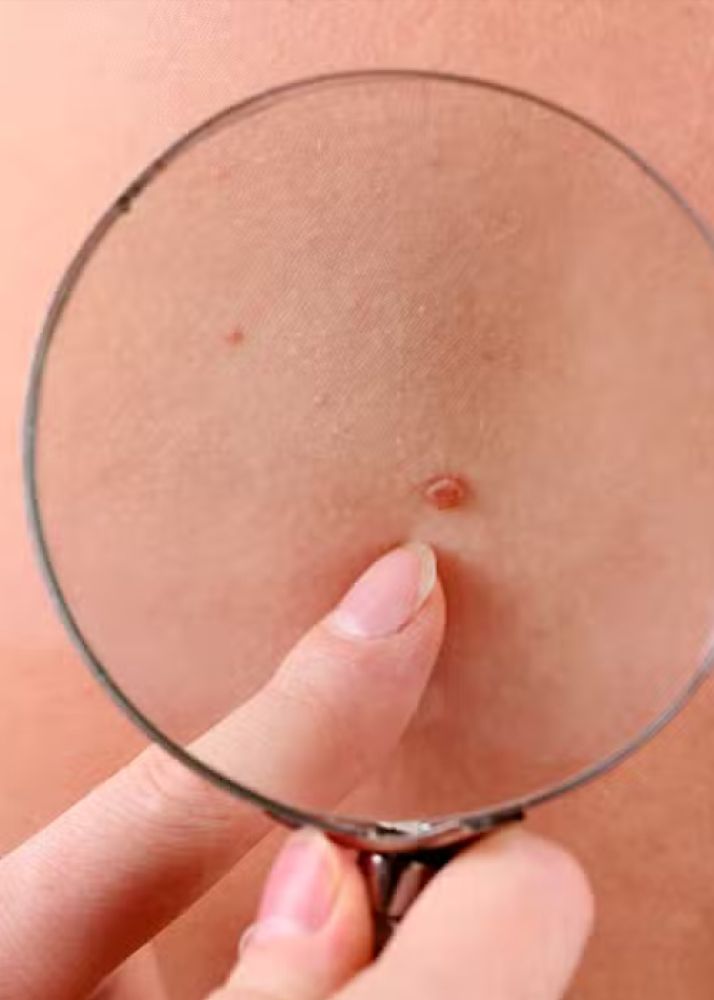
Skin Cancer: Symptoms, Risk Factors, and the Importance of Early Detection
Skin cancers are types of cancer that develop in skin cells and exhibit uncontrolled growth. Exposure to harmful UV rays from the sun, among other factors, can increase the risk of skin cancer. Skin cancers can be of various types; the most common types include basal cell carcinoma (BCC), squamous cell carcinoma (SCC), and melanoma. Each of these cancer types has different characteristics, and early detection is crucial for successful treatment.
Basal Cell Carcinoma (BCC): This is the most common type of skin cancer and typically develops in areas exposed to the sun, such as the face and neck. It progresses slowly and has a low tendency to spread to other areas.
Squamous Cell Carcinoma (SCC): The second most common type after BCC. It can appear as a scaly, red patch or a raised bump on the skin. This type of cancer is more aggressive than BCC and has a higher risk of spreading.
Melanoma: Known as the most dangerous type of skin cancer, melanoma originates from melanocytes, the cells responsible for skin pigmentation. It can spread quickly. Changes in existing moles or the appearance of new dark spots on the skin may be signs of melanoma.
While skin cancer symptoms vary by cancer type, some general warning signs include:
Paying attention to the "ABCDE" rule is a helpful method for early skin cancer detection. This rule involves observing moles for Asymmetry, Border, Color, Diameter, and Evolution.
The main risk factors that increase the likelihood of skin cancer include:
Early detection of skin cancers is vital for successful treatment. Skin cancers diagnosed early respond better to treatment, and the risk of spreading can be minimized. Since skin cancers usually develop on the skin's surface, they can be detected at an early stage through visual signs. Therefore, regular skin examinations and evaluations of unusual skin lesions by a dermatologist are essential steps in maintaining healthy skin.
Some precautions you can take to prevent skin cancer include:
Skin cancer is a preventable type of cancer that can be detected early. If you notice any suspicious changes on your skin, consulting a dermatology specialist promptly is one of the most important steps you can take for your health.
Acne

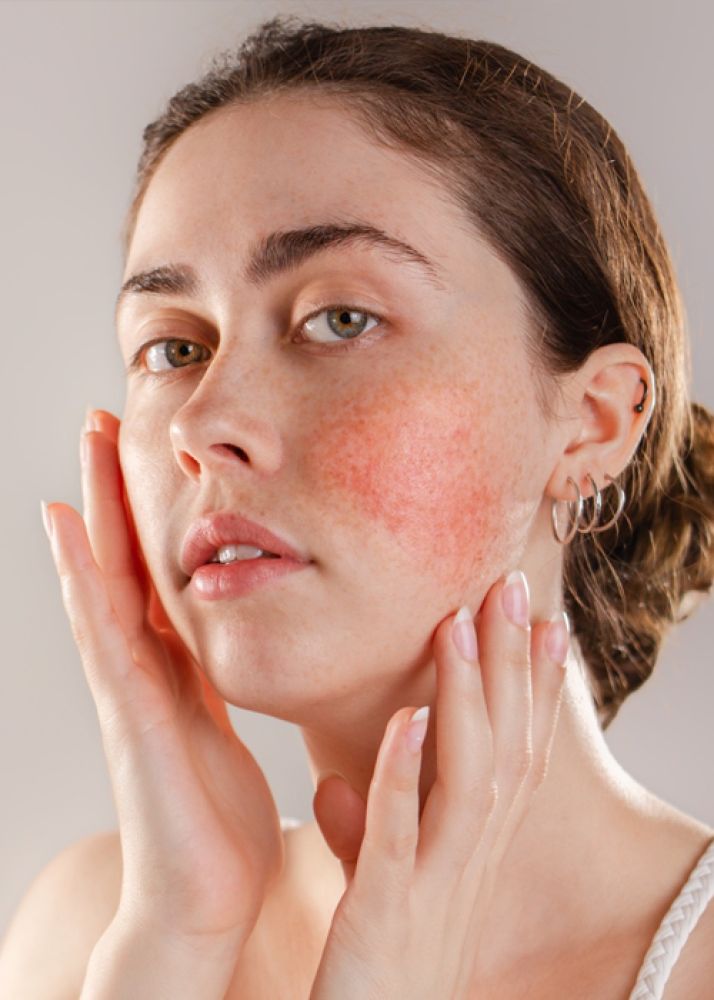
Rosacea
Hair Loss

Alopecia areata

Seborrheic Dermatitis

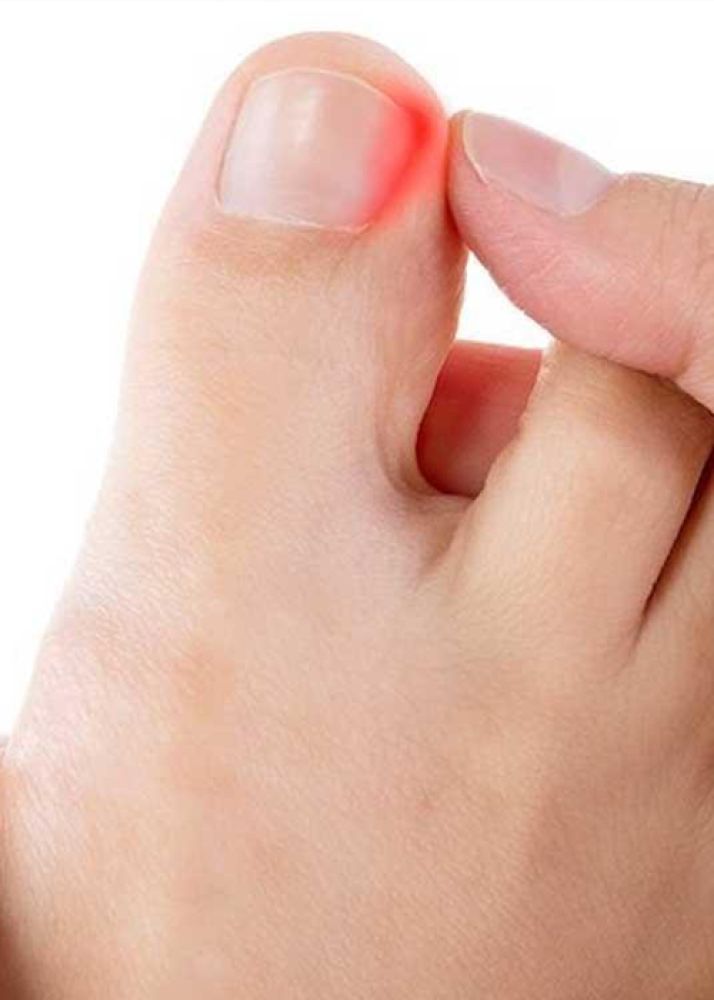
Ingrown Toenail
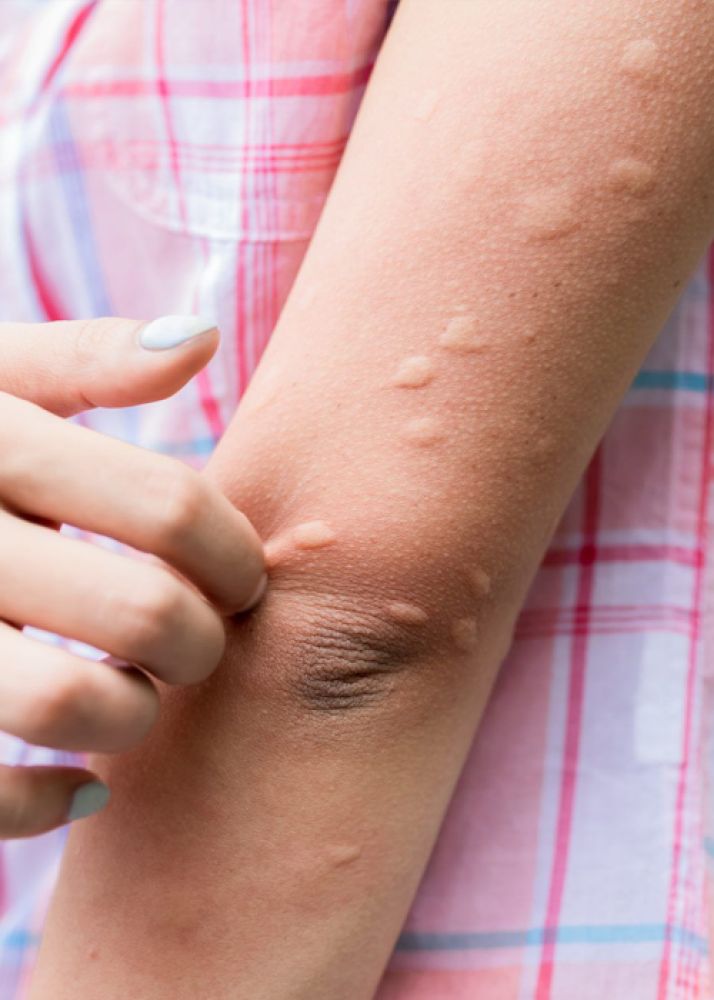
Urticaria (Hives)
Mole examination
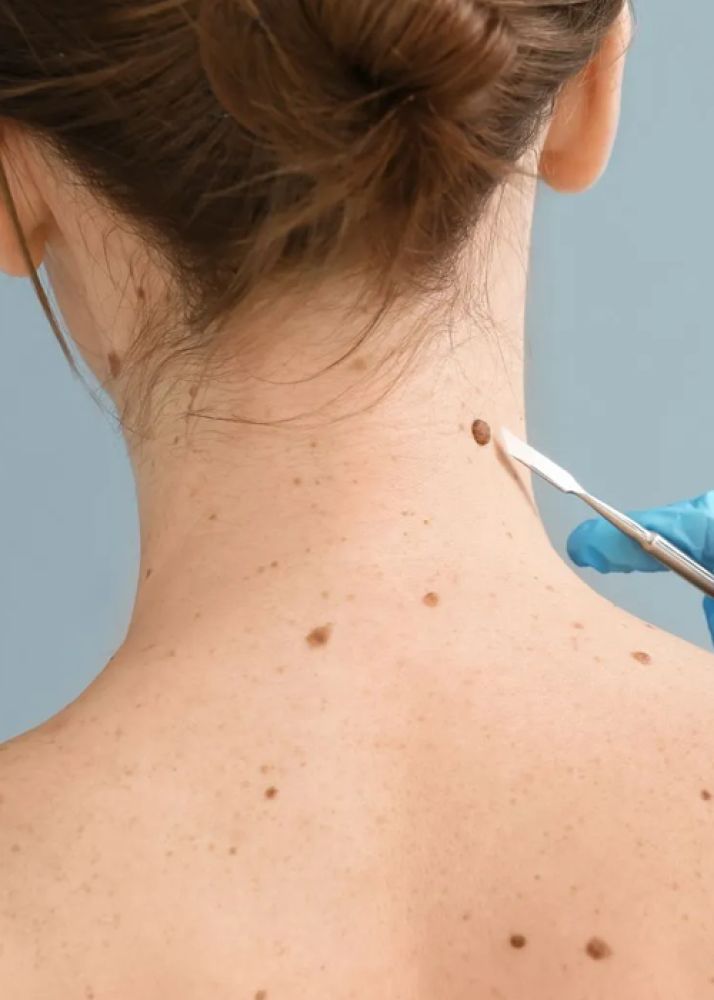
Skin Cancer
Vitiligo

Spot Treatment

Eczema
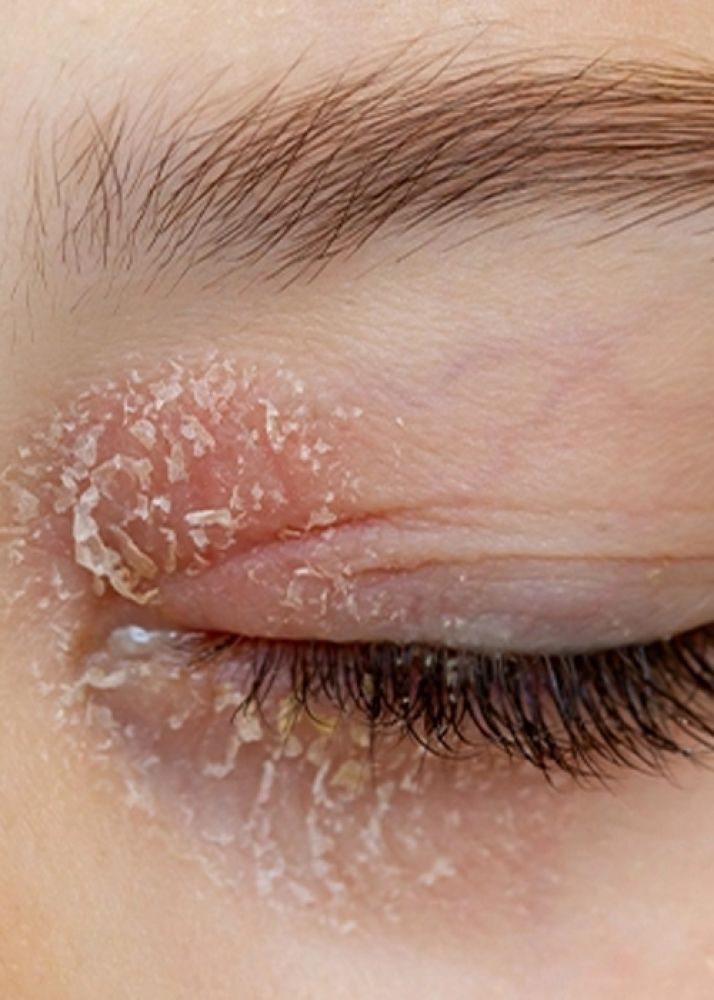
Psoriasis

Genital Warts and Molluscum
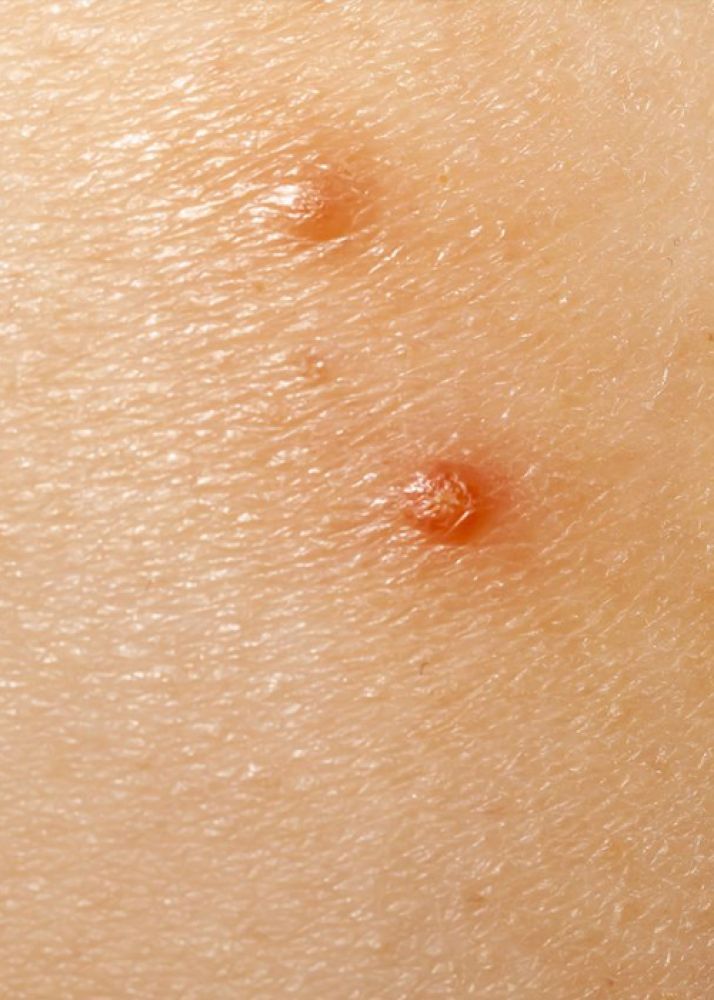
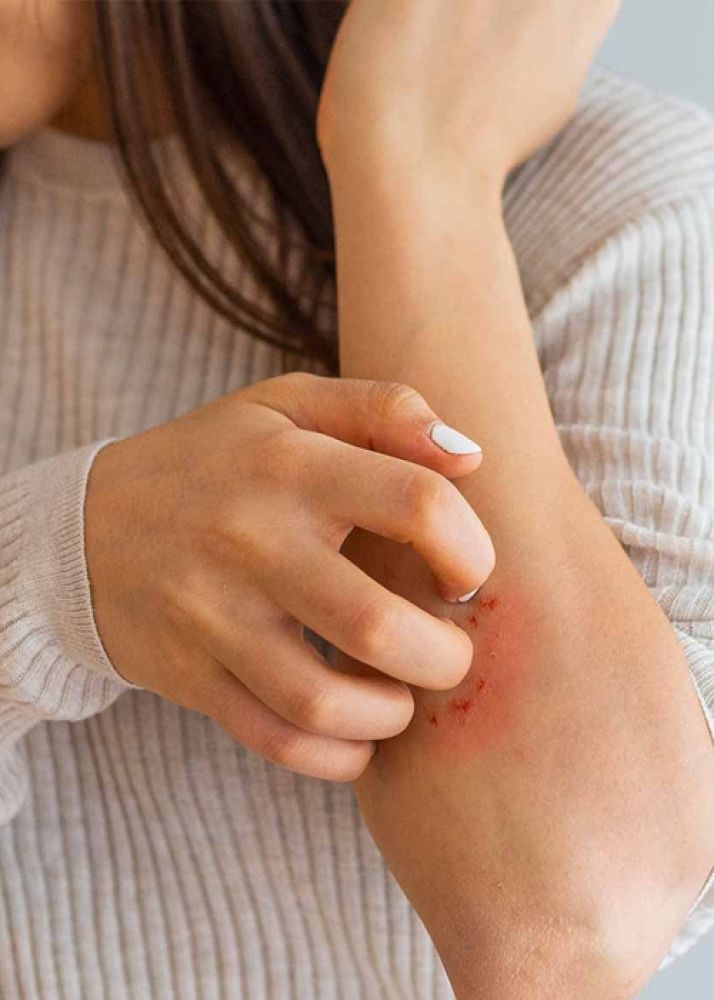
Itching

You can easily reach us through our contact page. Please fill out the form for your questions, suggestions or appointment requests.
Address
Hançerli Mah. Fatih Sultan Mehmet Cad. No: 155 İlkadım/SAMSUN
Show on GoogleMapinfo@gulsekerlisoytatar.com.tr
Working Hours
Monday-Saturday
09:00 - 17:00