





Winter Skin Care
During winter, our skin can become dry and sensitive due to environmental factors like cold, wind, and low humidity.


What is Vitiligo? Symptoms, Causes, and Treatment Options
Vitiligo is a skin condition that occurs when pigment cells (melanocytes) lose their function, resulting in white patches on the skin. These white areas can appear on different parts of the body and may cause aesthetic concerns for those affected. Vitiligo can develop at any age and often progresses over time.
The most common symptom of vitiligo is light-colored or white patches on the skin due to pigment loss. These patches are frequently found on the face, hands, arms, legs, feet, and genital areas. Key symptoms of vitiligo include:
Vitiligo does not cause pain or itching; however, the visible changes in skin color can lead to aesthetic concerns and psychological distress.
The exact cause of vitiligo is unknown, but it is thought to result from a combination of genetic and environmental factors. The main causes and risk factors for vitiligo include:
Vitiligo treatment varies based on the severity of symptoms, the extent of vitiligo, and the impact on the patient’s quality of life. Treatment options include:
Vitiligo is neither contagious nor life-threatening. However, when it affects visible areas like the face and hands, it can be socially and psychologically challenging. It is essential for vitiligo patients to work with a dermatologist to select the most suitable treatment options and protect their skin from the sun. Using sunscreen with SPF 30 or higher can help prevent vitiligo patches from becoming more noticeable.
For more information about vitiligo and to explore your personal treatment options, consult your dermatologist.
Acne

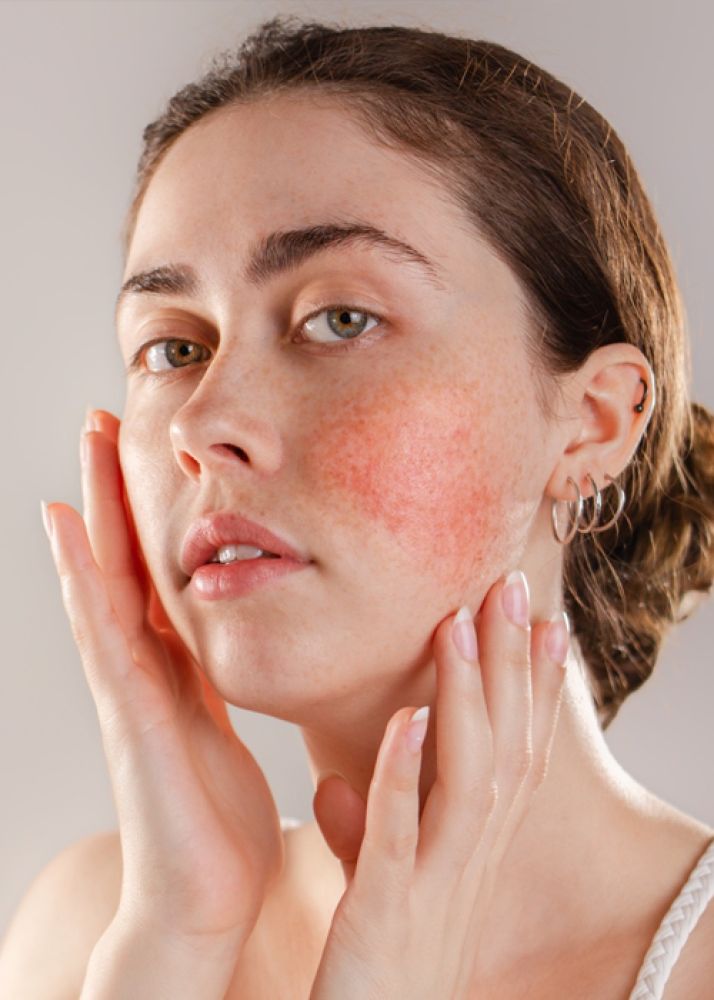
Rosacea
Hair Loss

Alopecia areata

Seborrheic Dermatitis

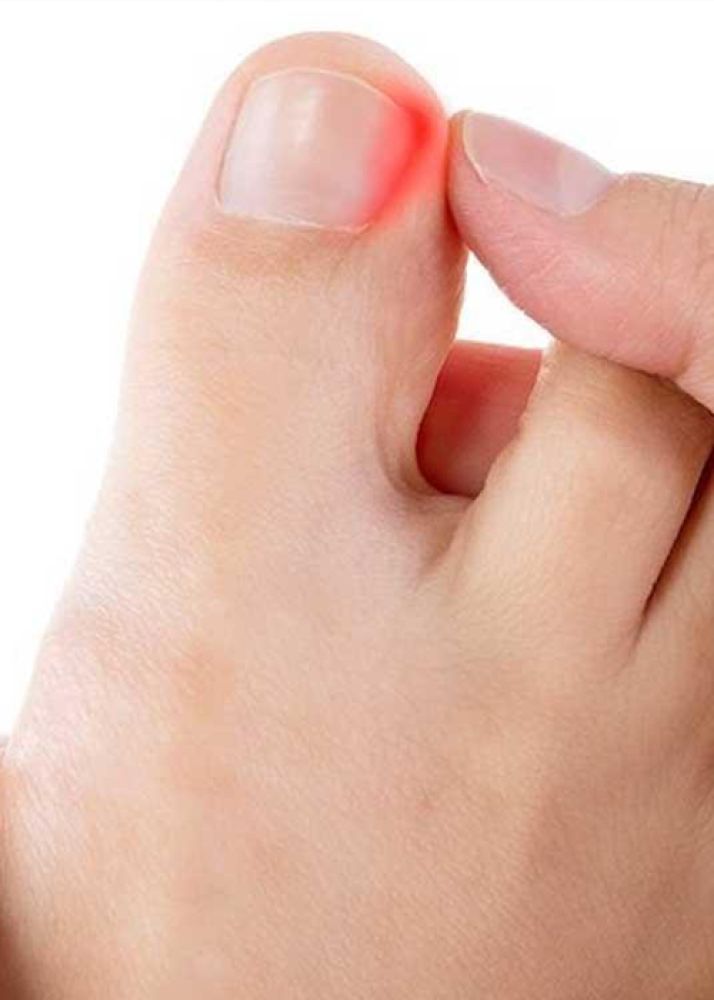
Ingrown Toenail
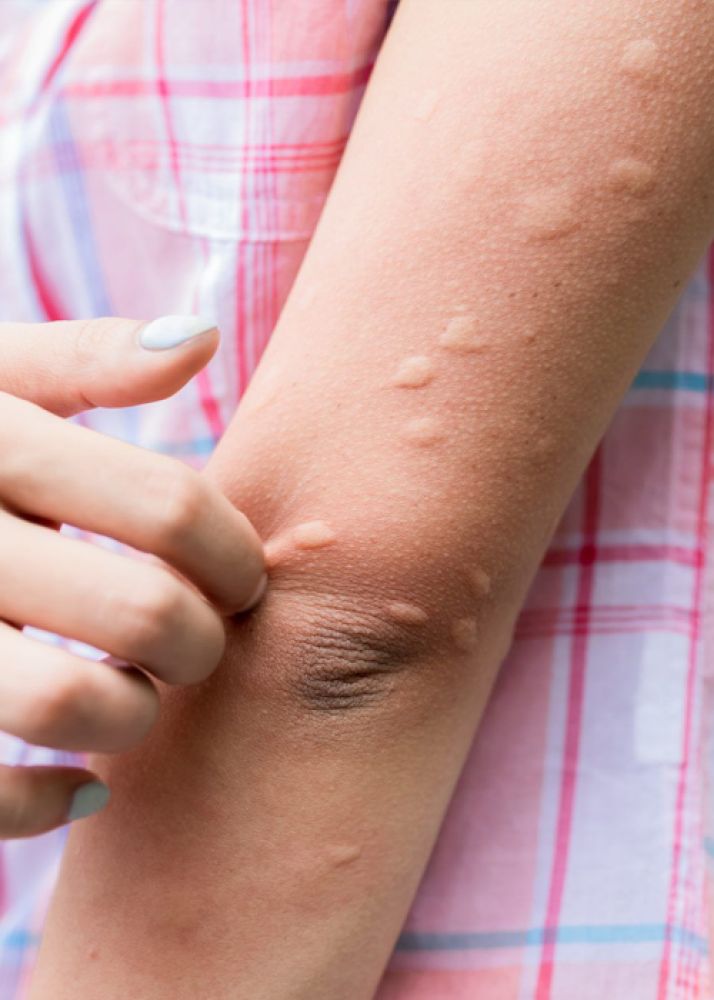
Urticaria (Hives)
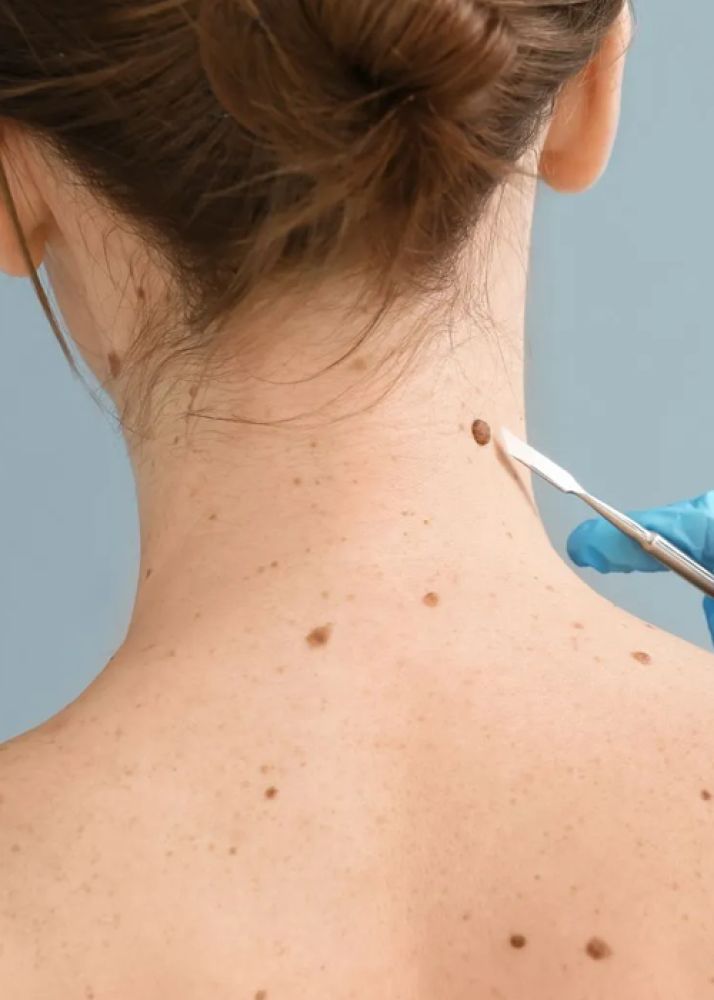
Mole examination
Skin Cancer
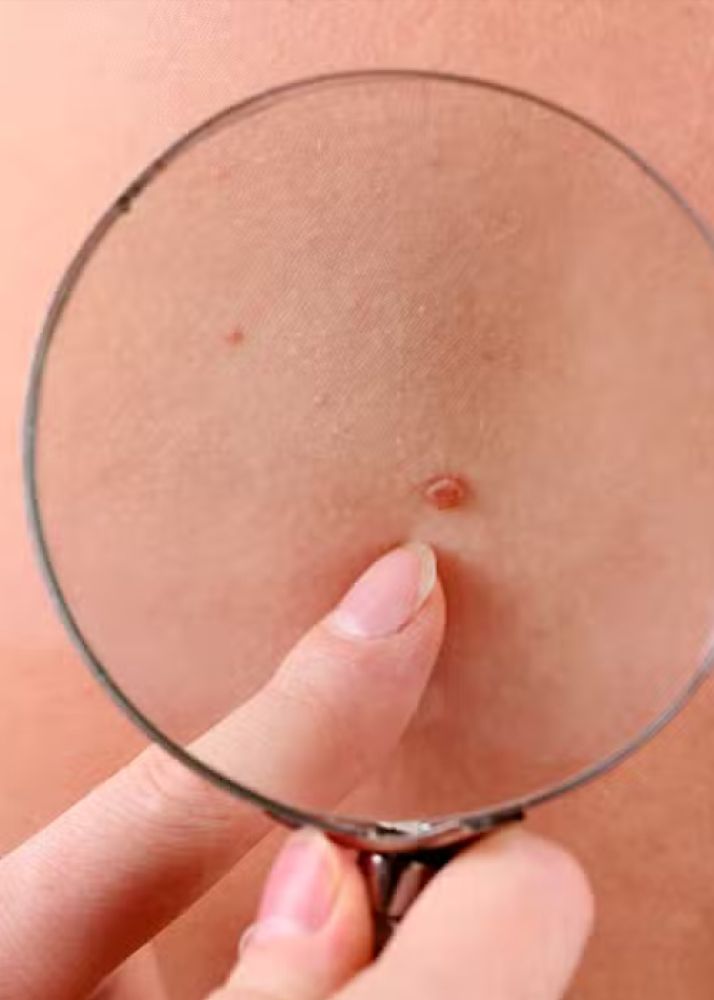
Vitiligo
Spot Treatment

Eczema
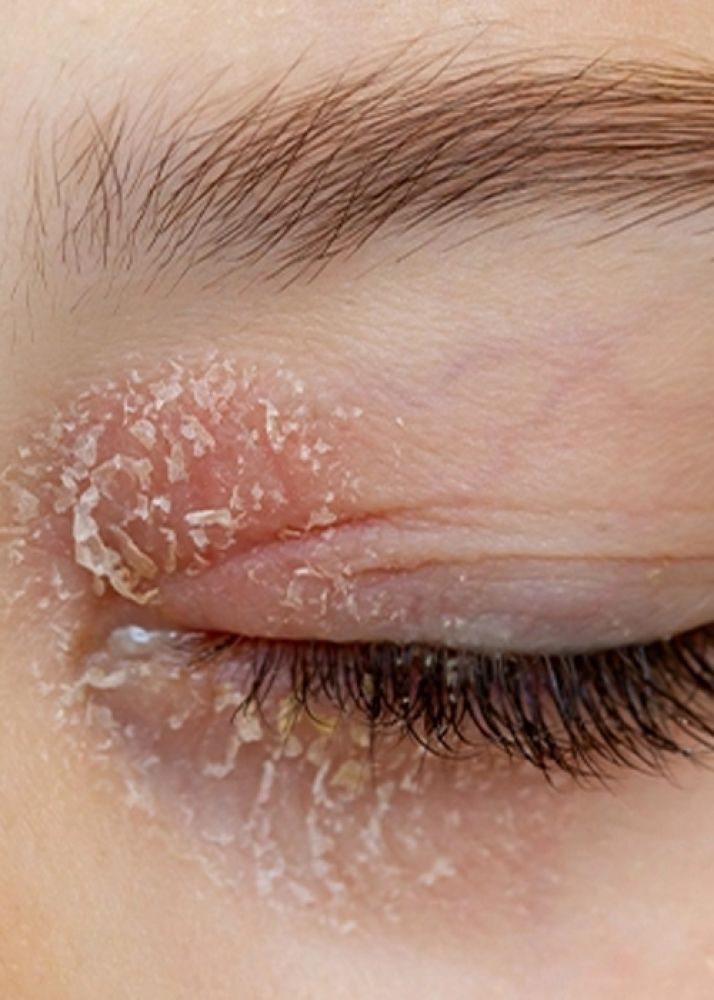
Psoriasis

Genital Warts and Molluscum
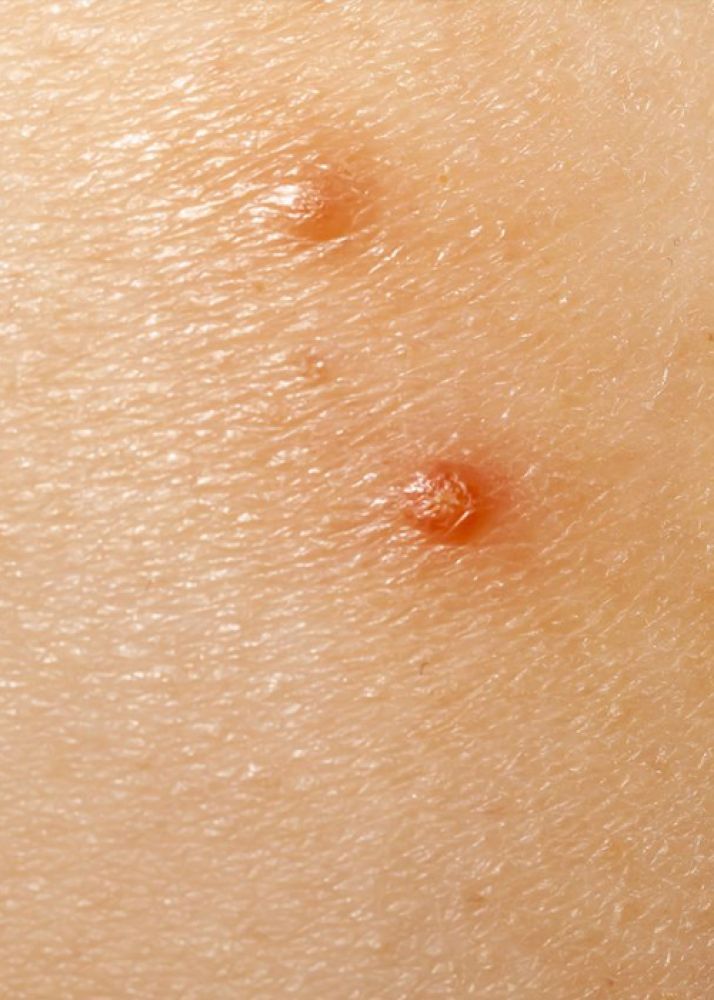
Itching


You can easily reach us through our contact page. Please fill out the form for your questions, suggestions or appointment requests.
Address
Hançerli Mah. Fatih Sultan Mehmet Cad. No: 155 İlkadım/SAMSUN
Show on GoogleMapinfo@gulsekerlisoytatar.com.tr
Working Hours
Monday-Saturday
09:00 - 17:00